If you’ve ever noticed an odd smell or mysterious health symptoms, you might have wondered if mold is lurking in your home. Mold isn’t just an unsightly nuisance—it can release harmful compounds known as mycotoxins. These microscopic toxins can quietly invade your space, causing health issues that range from mild allergies to serious respiratory problems. The good news? Gross Inspection Services is here to help homeowners in Brookfield, WI, and the Milwaukee area with affordable, thorough mycotoxin testing.
What Are Mycotoxins, and Why Should You Care?
Mycotoxins are toxic substances produced by certain types of mold, mainly when they grow on materials like drywall, insulation, or carpet. Unlike the mold itself, mycotoxins are invisible and can remain in the air or settle on surfaces long after the mold has been removed. Exposure to these toxins can lead to a variety of health concerns, including:
- Chronic respiratory issues
- Fatigue and brain fog
- Skin irritation and rashes
- Headaches and sinus infections
If you suspect mold, mycotoxin testing is the best way to ensure your family’s safety.
What Sets Gross Inspection Services Apart?
When it comes to mycotoxin testing, Gross Inspection Services stands out as the go-to choice in the Brookfield and Milwaukee areas. Here’s why homeowners trust us:
1. Affordable Rates
We believe that everyone deserves a safe home. That’s why we work hard to keep our costs reasonable and pass along the savings to you. No hidden fees, no surprises—just straightforward pricing.
2. Honesty and Integrity
When we give you a quote, we stick to it. Our transparent approach ensures you know exactly what to expect.
3. Attention to Detail
Testing isn’t a one-size-fits-all job. We swab four different areas of your home to ensure comprehensive results so nothing is overlooked.
Our team prioritizes your peace of mind, and we’re committed to delivering reliable, accurate testing every time.
What to Expect During a Mycotoxin Test
When you book a mycotoxin test with Gross Inspection Services, we’ll guide you through the process step by step:
Initial Consultation
We’ll discuss any concerns you have about mold in your home, including symptoms you’ve noticed or areas you suspect may be affected.
Swab Testing
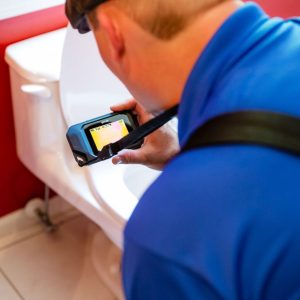
Our team will swab multiple locations throughout your home, including areas prone to moisture or hidden mold growth, such as basements, attics, or behind walls.
Laboratory Analysis
The samples are sent to a certified lab for detailed analysis, identifying the presence and concentration of mycotoxins.
Results and Recommendations
Once the results are in, we’ll explain what they mean in plain language. If mycotoxins are detected, we’ll provide guidance on the following steps to eliminate the source and ensure your home is safe.
Why Early Detection Matters
Ignoring potential mold problems can lead to escalating costs and health risks. The earlier you identify and address mycotoxins, the easier and less expensive it is to fix the issue. Testing also helps you make informed decisions about remediation and prevention, protecting both your home’s value and your family’s well-being.
Contact Us Today for Mycotoxin Testing
Your home should be a place of comfort, not a source of hidden health hazards. At Gross Inspection Services, we’re dedicated to keeping your living environment safe and toxin-free.
Call us at 262-395-3373 today to schedule mycotoxin testing in Brookfield, WI, or the Milwaukee area. Let us help you protect what matters most—your family and your home.
Don’t wait until mold becomes a bigger problem. Contact Gross Inspection Services now and breathe easier knowing your home is in good hands.